



Driving impact from 
field to enterprise

Regenerative agriculture is the future of farming and essential for the sustainability of our food system.

Decorative Shape Decorative Shape Decorative Shape Decorative Shape

Water

Biodiversity

Soil Health

Climate

Find out more Arrow

Regenerative Agriculture for a Sustainable Future

The Challenge

In an era when sustainably growing and sourcing food is paramount, the agri-food sector faces the challenge of scaling and assessing regenerative agriculture practices. The RegenIQ framework offers a scalable, outcomes-based approach to measure and track progress, ensuring globally consistent yet locally adapted impact assessments and recommendations.

Our Approach

What is RegenIQ?

RegenIQ focuses on practical efforts and measurable outcomes, to ensure long-term productivity while reducing negative impacts. It is an outcomes based approach to regenerative agriculture that prioritizes the most impactful practices and efforts, adapting to local conditions while ensuring a globally consistent approach.

RegenIQ aligns with regenerative agriculture’s leading global definitions and frameworks.

Aligning land use with terrain, maintaining soil health, preventing degradation, and promoting the land as a greenhouse gas sink.

Efficiently managing water resources, reducing runoff and pollution, and ensuring fair access to clean water for humans and wildlife.

Enhancing biodiversity, supporting pollinators, maintaining genetic diversity, and controlling invasive species.

Minimizing greenhouse gases, adapting to climate change, and strengthening farm resilience.

SOC / Clay
ratio

Irrigation water
use

Beneficial
insect diversity

N, P balance

Decorative Shape

RegenIQ in Practice

The efforts related to regenerative agricultural practices encompass various farm-level actions that enhance the field’s long-term capacity for high productivity while minimizing environmental impacts.

To accurately represent the impact of these efforts in the field, we score the outcomes using data collected directly from the field and remote sensing. These outcomes are related to physical, chemical, and biological parameters within the production environment.

Hover on the RegenIQ histogram graphic to the right to view example parameters.

Plus Icon
  • Soil Health

  • Biodiversity

  • Water

  • Climate

The Benefits

The Benefits

Accounts for site-specific conditions what you are growing and where you are growing it.

Sets realistic and achievable targets for producers.

Easily implemented from single model farms through to multi regional suppliers.

Enables the planning of sustainable solutions through ‘what-if’ scenarios.

Use Cases – RegenIQ adapted

Coffee

  • The Challenge

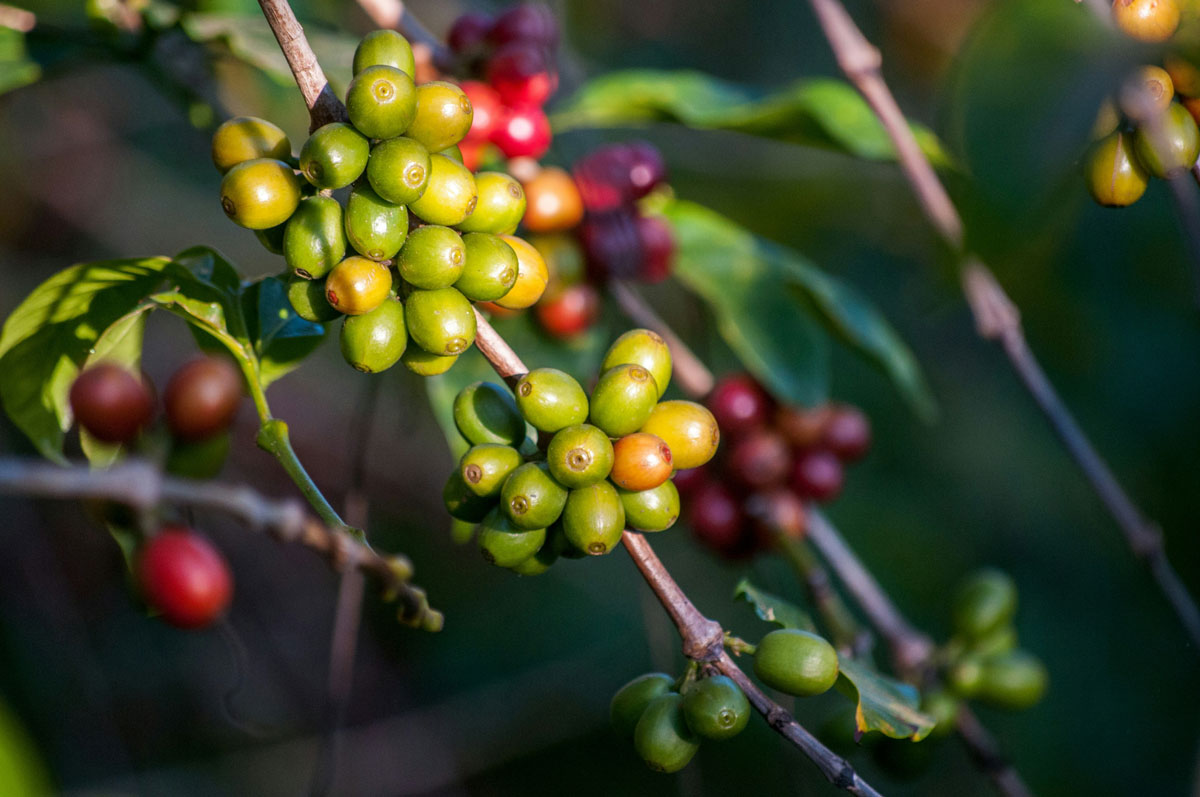
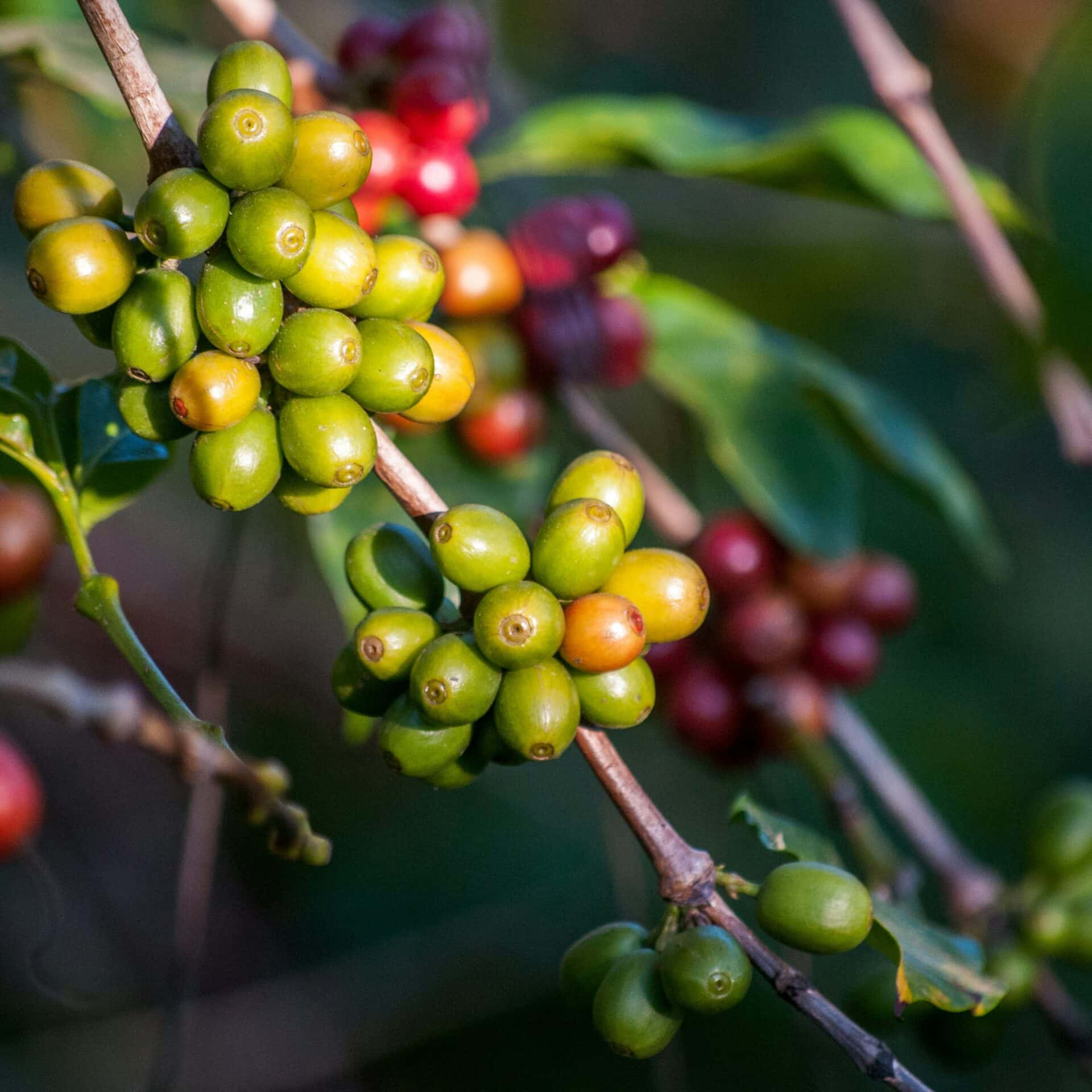
    Coffee is a crucial global commodity primarily cultivated in tropical regions. Top producing countries such as Brazil, Vietnam, Colombia, Indonesia, and Ethiopia—benefit from optimal climates and fertile soils. These optimal conditions, however, are increasingly challenged by climate change, pest infestations, and diseases such as coffee rust, which adversely affect crop yields and quality.

  • The Solution

    RegenIQ tackles coffee-growing challenges by prioritizing the most impactful efforts. For instance, optimizing nutrient rate and timing enhances plant growth, while avoiding deforestation preserves natural habitats. Implementing agroforestry boosts biodiversity, creating a healthier ecosystem. Additionally, managing irrigation optimally ensures coffee plants receive adequate moisture without depleting water sources, promoting long-term sustainability and resilience.
The efforts are a set of indicators to monitor the practices used to impact regenerative agriculture across soil health, water, biodiversity, and climate.

    • Residue management

      15.3 / 28.5

    • Ground cover

      30.4 / 30.4

    • Organic carbon application

      17.5 / 33.4

    • Soil Compaction mitigation

      1.9 / 7.0

    Total

    65.1 / 100

    • Water source

      30.7 / 30.7

    • Water delivery method

      22.8 / 22.8

    • Irrigation rate decision method

      17.3 / 24.7

    • Irrigation power source

      8.3 / 12.7

    • Milling type

      3.6 / 9.1

    Total

    82.7 / 100

    • Deforestation avoidance

      47.6 / 47.6

    • Agroforestry

      19.0 / 19.0

    • Crop protection

      5.0 / 12.4

    • Ground cover

      11.5 / 11.5

    • Nutrient source

      8.0 / 9.5

    Total

    91.1 / 100

    • Nutrient rate

      14.9 / 34.5

    • Nutrient timing

      26.9 / 26.9

    • Nutrient source

      23.4 / 23.4

    • Soil pH management

      11.8 / 15.2

    Total

    77.0 / 100

The outcomes are a set of indicators used to monitor sustainability levels and evaluate them against site-specific benchmarks.

    • SOC / Clay ratio

      6.7 / 16.7

    • Permanganate-oxidizable carbon

      10.0 / 16.7

    • Soil respiration

      6.7 / 16.7

    • ACE Protein

      3.3 / 16.7

    • Aggregate stability

      6.7 / 16.7

    • Earthworms density

      10.0 / 16.7

    Total

    43.4 / 100

    • Irrigation water use

      100.0 / 100.0

    Total

    100.0 / 100

    • Diversity of shade tree species

      15.0 / 25.0

    • Density of non-coffee tree

      15.0 / 25.0

    • Beneficial insect diversity

      10.0 / 25.0

    • Pollinator density

      10.0 / 25.0

    Total

    50.0 / 100

    • N balance

      16.7 / 33.3

    • P balance

      0 / 33.3

    • Yield-scaled CO2 losses

      20.0 / 33.3

    Total

    36.7 / 100

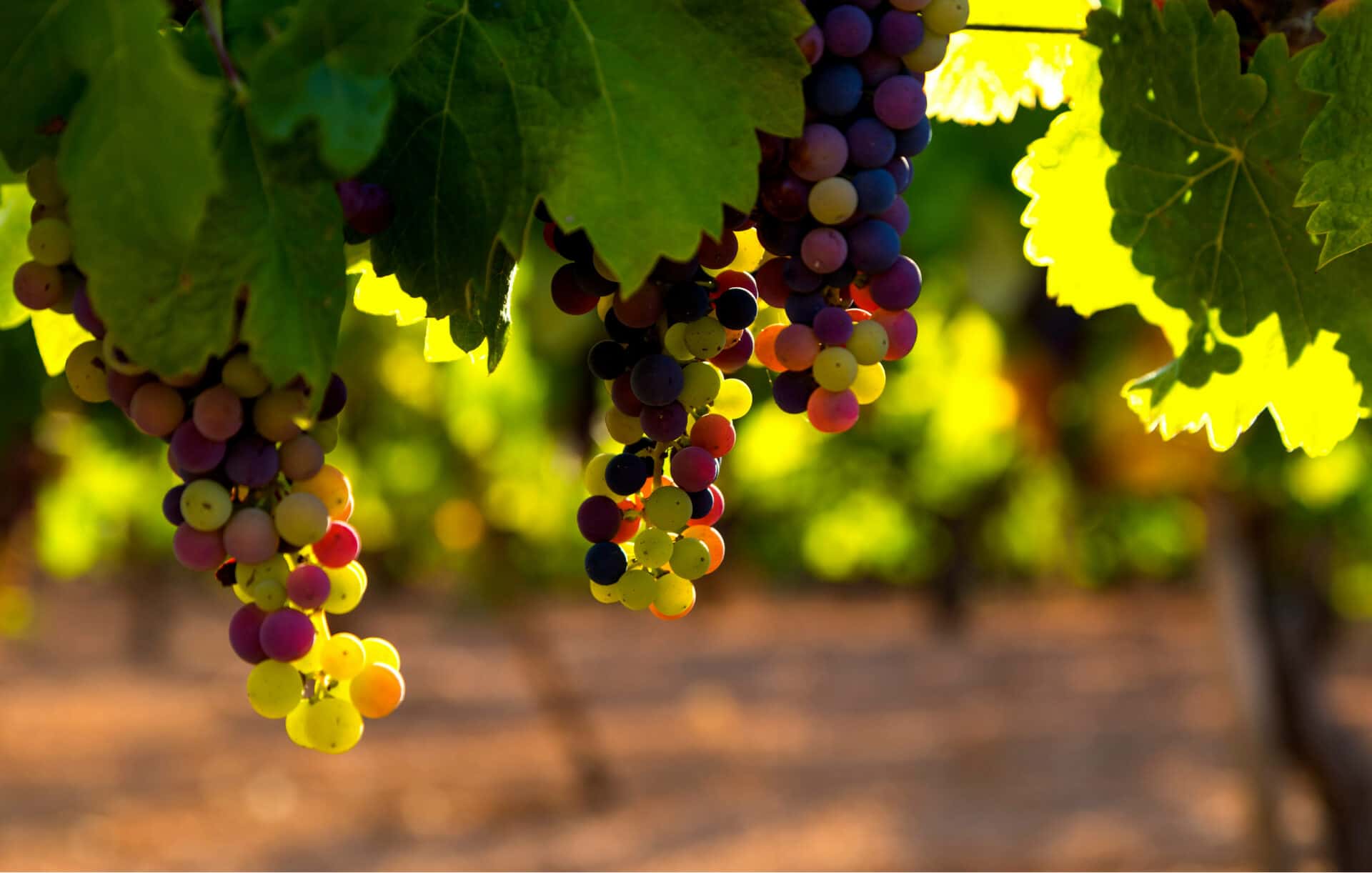
Grapes

  • The Challenge

    Table grapes are a significant crop in the global fresh fruit market, predominantly grown in regions like California, Chile, South Africa, and parts of Europe and India. These regions provide the ideal climates for growing high-quality table grapes, but they are increasingly challenged by climate change. Issues such as unpredictable weather patterns, pest infestations (e.g., grapevine moth), and diseases like powdery mildew and botrytis bunch rot can severely impact the yield, appearance, and quality of table grapes, which are critical factors for market acceptance.

  • The Solution

    RegenIQ supports the grape and wine industry, growers and viticulturists through their agronomist partners by providing a detailed assessment of current practices, enabling them to fine-tune their approach for optimal results. This includes analyzing the timing and application of nutrients to ensure that the grapes develop the desired size, flavor, and appearance essential for the fresh fruit market. RegenIQ also evaluates the impact of pest and disease management strategies, helping growers to refine their practices to reduce the risk of damage while maintaining the aesthetic quality of the grapes. Additionally, the framework assesses crop water requirements and irrigation water use, quantifying irrigation water surplus and inefficiencies. By focusing on these key areas, RegenIQ empowers growers to make informed adjustments that improve the resilience and marketability of their table grape crops. While this case study focused on table grapes, the framework can be applied to wine grapes as well.

The efforts are a set of indicators to monitor the practices used to impact regenerative agriculture across soil health, water, biodiversity, and climate.

    • Residue management

      10 / 16.7

    • Ground cover

      11.7 / 16.7

    • Organic carbon application

      26.6 / 33.3

    • Soil Compaction mitigation

      16.7 / 16.7

    • Tillage management

      16.7 / 16.7

    Total

    81.7 / 100

    • Water source

      12.5 / 25.0

    • Water delivery method

      22.5 / 25.0

    • Irrigation rate decision method

      20.0 / 25.0

    • Irrigation power source

      10.0 / 25.0

    Total

    65.0 / 100

    • Deforestation avoidance

      16.7 / 41.9

    • Crop protection

      13.2 / 18.8

    • Ground cover

      10.1 / 14.5

    • Nutrient source

      5.5 / 10.9

    • Buffer strips

      9.7 / 13.9

    Total

    55.2 / 100

    • Nutrient rate

      30.1 / 35.4

    • Nutrient timing

      16.3 / 23.3

    • Nutrient source

      12.9 / 21.5

    • Soil pH management

      9.9 / 9.9

    • Buffer strips

      7.9 / 9.9

    Total

    77.1 / 100

The outcomes are a set of indicators used to monitor sustainability levels and evaluate them against site-specific benchmarks.

    • SOC / Clay ratio

      13.3 / 16.7

    • Permanganate-oxidizable carbon

      10.0 / 16.7

    • Soil respiration

      13.3 / 16.7

    • ACE Protein

      13.3 / 16.7

    • Aggregate stability

      6.7 / 16.7

    • Earthworms density

      6.7 / 16.7

    Total

    63.3 / 100

    • Irrigation water use

      33.0 / 100

    Total

    33.0 / 100

    • Beneficial insects diversity

      13.3 / 33.3

    • Pollinator density

      13.3 / 33.3

    • Plant species diversity

      6.7 / 33.3

    Total

    33.3 / 100

    • N balance

      0 / 33.3

    • P balance

      16.7 / 33.0

    • Yield-scaled CO2 losses

      13.3 / 33.0

    Total

    30.0 / 100

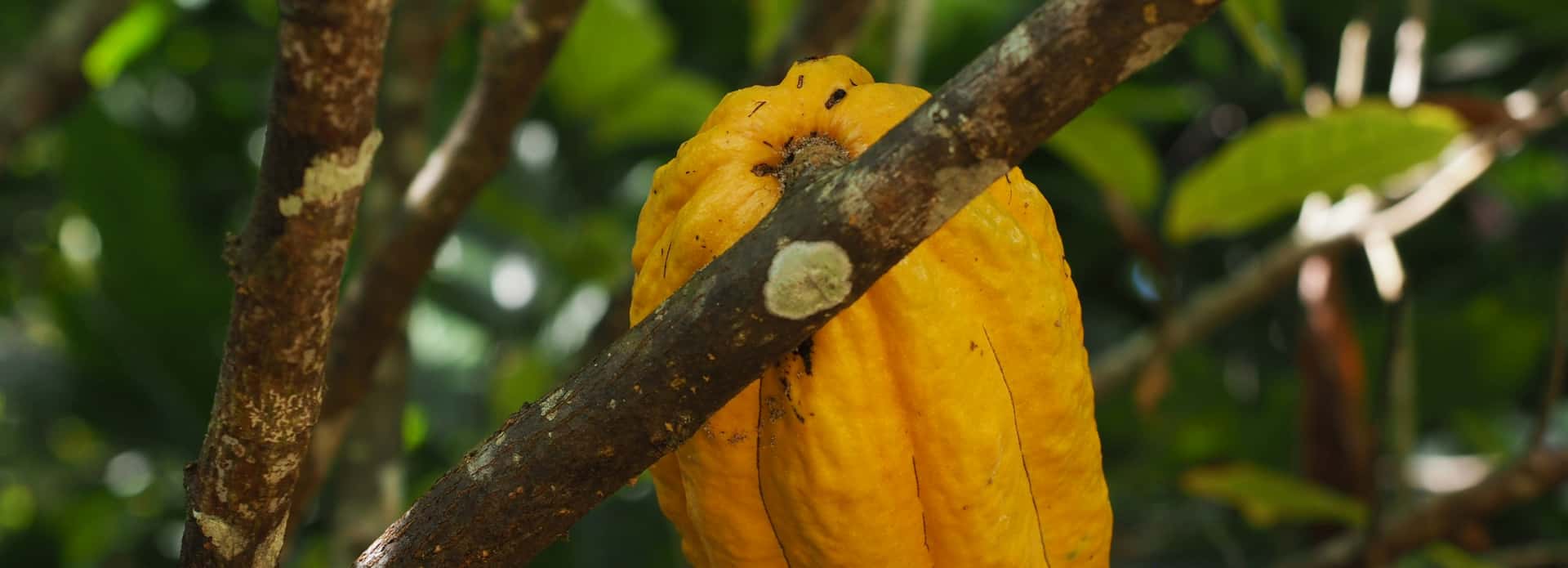
Cacao

  • The Challenge

    Cacao is cultivated in regions with frequent rain events, such as West Africa, Central and South America, and Southeast Asia. The health of the crop and the quality of the cacao pods are significantly influenced by input management practices. Factors such as the type and rate of fertilizer, soil health efforts, and the application of Integrated Pest Management (IPM) play crucial roles in determining the success of cacao production.

  • The Solution

    RegenIQ offers a comprehensive approach to overcoming these challenges in cacao production. By optimizing soil fertility through tailored nutrient management and prioritizing impactful practices like agroforestry, RegenIQ helps agronomists and growers to improve overall crop health and pod quality. The framework also promotes sustainable water use practices to ensure consistent cacao production while preserving the integrity of tropical ecosystems. Together, these efforts lead to more resilient cacao farms that can withstand environmental pressures.

The efforts are a set of indicators to monitor the practices used to impact regenerative agriculture across soil health, water, biodiversity, and climate.

    • Residue management

      0 / 28.6

    • Ground cover

      30.4 / 30.5

    • Organic carbon application

      3.9 / 33.5

    • Soil Compaction mitigation

      7.4 / 7.4

    Total

    41.7 / 100

    • Water source

      16.0 / 16.0

    • Water delivery method

      29.0 / 29.0

    • Irrigation rate decision method

      23.1 / 33.0

    • Irrigation power source

      14.3 / 22.0

    Total

    82.4 / 100

    • Deforestation avoidance

      11.9 / 47.6

    • Agroforestry

      2.5 / 19.0

    • Crop protection

      5.0 / 12.4

    • Ground cover

      11.5 / 11.5

    • Nutrient source

      8.0 / 9.5

    Total

    38.9 / 100

    • Nutrient rate

      29.4 / 34.5

    • Nutrient timing

      26.9 / 26.9

    • Nutrient source

      23.4 / 23.4

    • Soil pH management

      5.4 / 15.2

    Total

    85.1 / 100

The outcomes are a set of indicators used to monitor sustainability levels and evaluate them against site-specific benchmarks.

    • SOC / Clay ratio

      3.3 / 16.7

    • Permanganate-oxidizable carbon

      3.3 / 16.7

    • Soil respiration

      10 / 16.7

    • ACE Protein

      3.3 / 16.7

    • Aggregate stability

      6.7 / 16.7

    • Earthworms density

      6.7 / 16.7

    Total

    33.3 / 100

    • Irrigation water use

      66.0 / 100

    Total

    66.0 / 100

    • Diversity of shade tree species

      5.0 / 25.0

    • Density of non-coffee tree

      5.0 / 25.0

    • Beneficial insect diversity

      5.0 / 25.0

    • Pollinator density

      10.0 / 25.0

    Total

    25.0 / 100

    • N balance

      16.7 / 33.3

    • P balance

      16.7 / 33.3

    • Yield-scaled CO2 losses

      26.7 / 33.3

    Total

    60.0 / 100

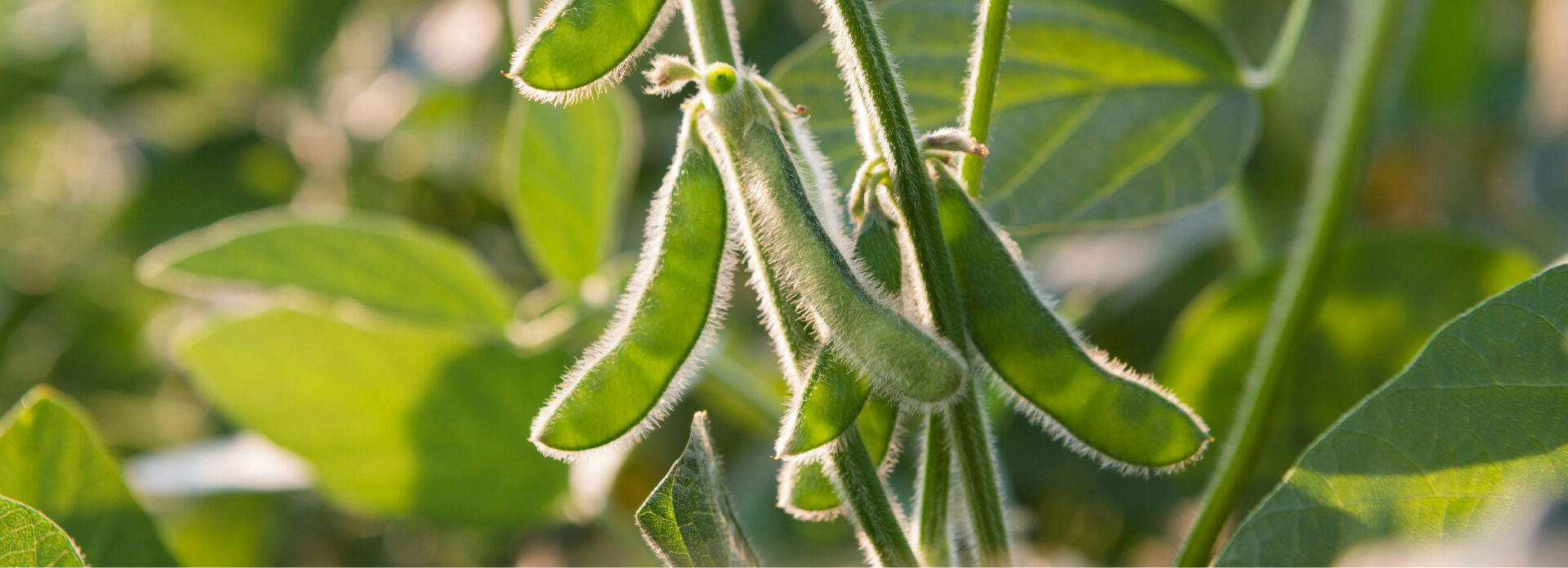
Soybean

  • The Challenge

    Soybean plays a critical role in global food and industrial markets, with extensive cultivation in regions such as the United States, Brazil, Argentina, and China. While these regions provide favorable growing conditions, they are increasingly challenged by climate change, which exacerbates issues like pest infestations from insects such as soybean aphids and diseases like Asian soybean rust. These challenges can significantly impact yields and crop quality, necessitating careful management and ongoing adjustments to cultivation practices.

  • The Solution

    RegenIQ empowers agronomists and soybean growers by providing detailed insights into the effectiveness of their cultivation practices, helping them make strategic adjustments for improved outcomes. By assessing the timing and rate of nutrient applications, RegenIQ ensures that soybean plants achieve optimal growth, particularly during critical developmental stages such as flowering and pod formation. The framework also closely monitors pest and disease pressures, allowing growers to fine-tune their integrated pest management strategies to better protect against threats like soybean aphids and Asian soybean rust. Additionally, RegenIQ evaluates the long-term effects of soil conservation practices, such as reduced tillage and crop rotation, on soil fertility and structure, which are crucial for sustaining high soybean yields. By focusing on these specific aspects of soybean production, RegenIQ helps growers enhance both the productivity and sustainability of their operations.

The efforts are a set of indicators to monitor the practices used to impact regenerative agriculture across soil health, water, biodiversity, and climate.

    • Residue management

      7.3 / 12.1

    • Ground cover

      6.6 / 11.1

    • Organic carbon application

      24.4 / 24.4

    • Soil Compaction mitigation

      12.1 / 12.1

    • Crop rotations

      17.0 / 24.4

    • Tillage management

      12.7 / 15.9

    Total

    80.1 / 100

    • Water source

      13.3 / 16.7

    • Water delivery method

      26.6 / 33.3

    • Irrigation rate decision method

      20.0 / 25.0

    • Irrigation power source

      12.5 / 25.0

    Total

    72.4 / 100

    • Deforestation avoidance

      40.6 / 40.6

    • Crop rotations

      14.6 / 14.6

    • Crop protection

      7.5 / 7.5

    • Ground cover

      12.3 / 15.4

    • Nutrient source

      11.7 / 14.6

    • Buffer strips

      5.0 / 7.3

    Total

    91.7 / 100

    • Nutrient rate

      31.8 / 31.8

    • Nutrient timing

      10.0 / 11.1

    • Nutrient source

      11.1 / 15.9

    • Soil pH management

      14.8 / 29.6

    • Buffer strips

      9.3 / 11.6

    Total

    77.0 / 100

The outcomes are a set of indicators used to monitor sustainability levels and evaluate them against site-specific benchmarks.

    • SOC / Clay ratio

      16.7 / 16.7

    • Permanganate-oxidizable carbon

      13.3 / 16.7

    • Soil respiration

      13.3 / 16.7

    • ACE Protein

      13.3 / 16.7

    • Aggregate stability

      10.0 / 16.7

    • Earthworms density

      10.0 / 16.7

    Total

    76.6 / 100

    • Irrigation water use

      33.3 / 100

    Total

    33.3 / 100

    • Beneficial insects diversity

      40.0 / 50.0

    • Plant species diversity

      30.0 / 50.0

    Total

    70.0 / 100

    • N balance

      33.3 / 100

    • P balance

      16.7 / 100

    • Yield-scaled CO2 losses

      13.3 / 100

    Total

    63.3 / 100

Potato

  • The Challenge

    Potatoes are a staple food crop worldwide, with major production regions in Europe, North America, and parts of Asia. Although these regions typically offer suitable climates and soils for potato cultivation, they face nutrient management challenges and are susceptible to nutrient losses due to the soil types. Nutrient management such as N and P balance plays an important role in the outcome of products like potato chips by affecting the starch levels during the production process. As potato crops are heavy consumers of fertilizers, making efficient nutrient management decisions is crucial to reducing the environmental impact of these farming systems.

  • The Solution

    RegenIQ offers a comprehensive approach to overcoming challenges in potato cultivation by helping F&B companies, agronomists, and growers in their supply chains assess the impact of their practices and measure the associated outcomes, allowing for necessary adjustments. This includes evaluating the effectiveness of nutrient management and timing to ensure potato plants receive adequate, but not excessive, nutrition throughout their growth stages. Given that soil health and fertility are crucial for achieving high-quality yields for the food industry, these factors must be optimized. The framework also assesses the effectiveness of integrated pest and disease management strategies, identifying areas for improvement to better protect potato crops.

The efforts are a set of indicators to monitor the practices used to impact regenerative agriculture across soil health, water, biodiversity, and climate.

    • Residue management

      3.6 / 6.0

    • Ground cover

      13.3 / 19.1

    • Organic carbon application

      9.5 / 19.1

    • Soil Compaction mitigation

      7.4 / 10.5

    • Crop rotations

      24.0 / 34.3

    • Tillage management

      11.1 / 11.1

    Total

    68.9 / 100

    • Water source

      11.3 / 14.1

    • Water delivery method

      36.4 / 45.5

    • Irrigation rate decision method

      21.0 / 26.3

    • Irrigation power source

      9.9 / 14.1

    Total

    78.6 / 100

    • Deforestation avoidance

      45.7 / 45.7

    • Crop rotations

      9.3 / 13.3

    • Crop protection

      13.3 / 13.3

    • Ground cover

      9.3 / 13.3

    • Nutrient source

      3.6 / 7.2

    • Buffer strips

      2.9 / 7.2

    Total

    84.1 / 100

    • Nutrient rate

      28.7 / 31.9

    • Nutrient timing

      27.6 / 34.6

    • Nutrient source

      7.5 / 12.5

    • Soil pH management

      10.9 / 13.6

    Total

    79.1 / 100

The outcomes are a set of indicators used to monitor sustainability levels and evaluate them against site-specific benchmarks.

    • SOC / Clay ratio

      13.3 / 16.7

    • Permanganate-oxidizable carbon

      10.0 / 16.7

    • Soil respiration

      10.0 / 16.7

    • ACE Protein

      10.0 / 16.7

    • Aggregate stability

      6.6 / 16.7

    • Earthworms density

      6.6 / 16.7

    Total

    56.5 / 100

    • Irrigation water use

      66.0 / 100

    Total

    66.0 / 100

    • Beneficial insect diversity

      20 / 50.0

    • Plant species diversity

      30 / 50.0

    Total

    50.0 / 100

    • N balance

      16.7 / 33.3

    • P balance

      16.7 / 33.3

    • Yield-scaled CO2 losses

      16.7 / 33.3

    Total

    46.7 / 100

Sugar Cane

  • The Challenge

    Sugar cane is a critical crop for the global sugar and biofuel industries, predominantly grown in tropical and subtropical regions such as Brazil, India, China, and Thailand. These regions, while ideal for sugar cane growth, are increasingly affected by climate change, resulting in issues like irregular rainfall, pest infestations (e.g., sugarcane borer), and diseases such as smut and red rot, which can severely impact yields and sugar content.

  • The Solution

    RegenIQ assists sugar cane growers by thoroughly assessing the impact of their cultivation practices, offering insights that enable data-driven adjustments for better outcomes. By prioritizing the most effective practices including nutrient application strategies and pest and disease management efforts, RegenIQ helps identify areas where improvements can be made, minimizing crop losses without compromising environmental sustainability. The framework also assesses water management practices, providing guidance on how to maintain soil moisture at levels that support healthy cane development while conserving water resources. The framework can accommodate sugarcane-specific nutrient and irrigation practices such as vinasse. Through these targeted assessments, RegenIQ empowers growers to enhance both the productivity and sustainability of their sugar cane operations.

The efforts are a set of indicators to monitor the practices used to impact regenerative agriculture across soil health, water, biodiversity, and climate.

    • Organic carbon application

      4.5 / 22.4

    • Soil Compaction mitigation

      9.4 / 15.6

    • Residue management

      62.0 / 62.0

    Total

    75.9 / 100

    • Water source

      42.0 / 52.5

    • Water delivery method

      14.4 / 20.5

    • Irrigation rate decision method

      16.4 / 18.2

    • Irrigation power source

      1.7 / 8.8

    Total

    74.5 / 100

    • Deforestation avoidance

      41.2 / 41.2

    • Crop protection

      3.2 / 10.8

    • Nutrient source

      15.0 / 18.7

    • Buffer strips

      14.6 / 29.3

    Total

    74.0 / 100

    • Nutrient rate

      14.5 / 29.1

    • Nutrient timing

      1.8 / 17.6

    • Nutrient source

      14.5 / 29.1

    • Soil pH management

      11.0 / 13.8

    • Buffer strips

      6.2 / 10.4

    Total

    48.0 / 100

The outcomes are a set of indicators used to monitor sustainability levels and evaluate them against site-specific benchmarks.

    • SOC / Clay ratio

      13.4 / 16.7

    • Permanganate-oxidizable carbon

      10.0 / 16.7

    • Soil respiration

      10.0 / 16.7

    • ACE Protein

      6.7 / 16.7

    • Aggregate stability

      6.7 / 16.7

    • Earthworms density

      6.7 / 16.7

    Total

    54.5 / 100

    • Irrigation water use

      66.0 / 100

    Total

    66.0 / 100

    • Beneficial insect diversity

      40.0 / 50.0

    • Plant species diversity

      40.0 / 50.0

    Total

    80.0 / 100

    • N balance

      0 / 33.3

    • P balance

      0 / 33.3

    • Yield-scaled CO2 losses

      6.7 / 33.3

    Total

    6.7 / 100

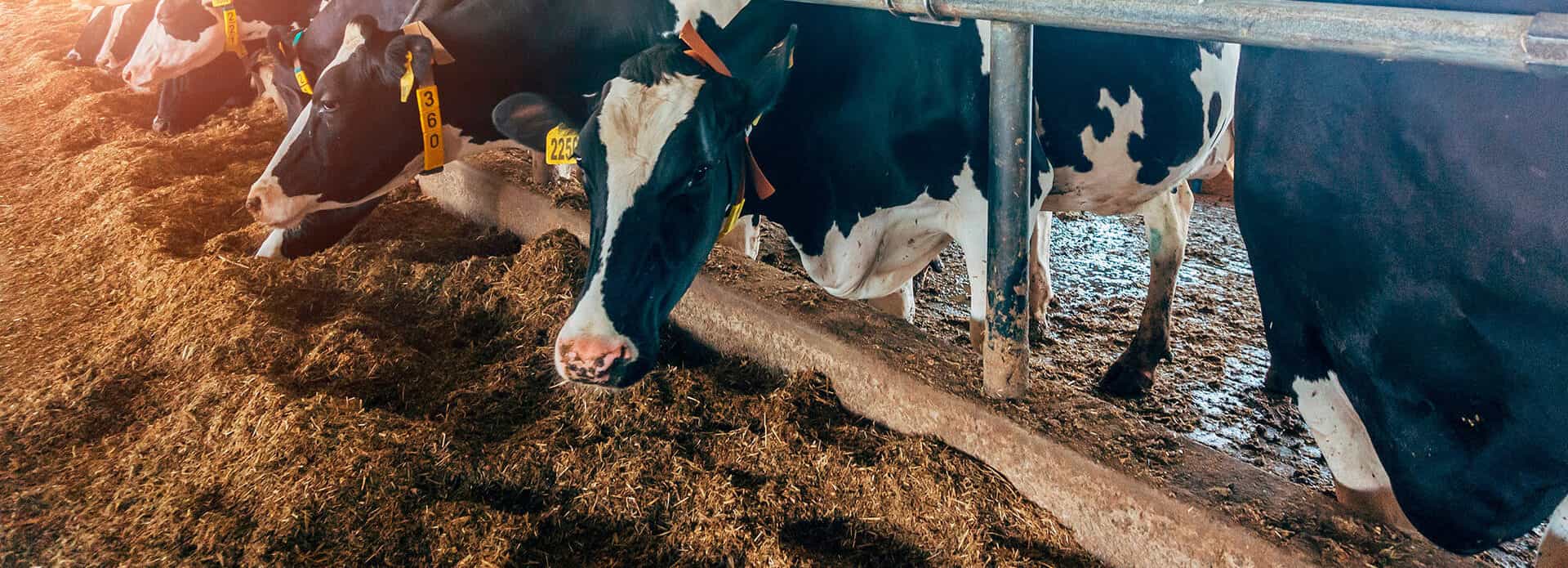
Dairy Feed

  • The Challenge

    Forage crops such as corn silage, haylage, and pasture are essential components of dairy cow diets, providing the critical nutrients needed to meet the growing global demand for milk production in an environmentally sustainable way. These crops are predominantly grown in regions like the United States, Europe, South America, and Australia and New Zealand. However, producing high-quality forage comes with several challenges. Climate change has introduced unpredictable weather patterns, which affect the consistency of crop yields and nutrient content. Maintaining the nutritional profile necessary for optimal milk production requires careful management across all types of forage systems. While the following example focuses on corn silage, similar challenges are also present in haylage and pasture systems.

  • The Solution

    RegenIQ helps the dairy industry, farmers and agronomists assess the effectiveness of their forage production practices, enabling them to make informed adjustments that enhance both yield and nutritional quality. By evaluating nutrient management, RegenIQ ensures that crops develop robustly, resulting in feed with higher energy content and digestibility. Practices such as ground cover and crop rotations, can also significantly affect the carbon sequestered in the dairy system, providing a staked-win for farmers and the industry. Although this solution is demonstrated through corn silage, the insights and adjustments provided by RegenIQ are equally applicable across haylage and pasture systems.

The efforts are a set of indicators to monitor the practices used to impact regenerative agriculture across soil health, water, biodiversity, and climate.

    • Ground cover

      17.2 / 17.2

    • Organic carbon application

      20.6 / 29.5

    • Soil Compaction mitigation

      15.6 / 15.6

    • Crop rotations

      23.6 / 29.5

    • Tillage management

      5.8 / 8.2

    Total

    82.8 / 100

    • Water source

      12.5 / 25.0

    • Water delivery method

      23.7 / 25.0

    • Irrigation rate decision method

      12.5 / 25.0

    • Irrigation power source

      15.0 / 25.0

    Total

    63.7 / 100

    • Deforestation avoidance

      40.8 / 40.8

    • Crop rotations

      14.1 / 17.6

    • Crop protection

      5.1 / 8.4

    • Ground cover

      14.4 / 14.4

    • Nutrient source

      6.6 / 7.0

    • Buffer strips

      4.7 / 11.8

    Total

    85.7 / 100

    • Nutrient rate

      17.8 / 25.4

    • Nutrient timing

      31.9 / 31.9

    • Nutrient source

      10.5 / 13.1

    • Soil pH management

      11.3 / 11.3

    • Buffer strips

      7.3 / 18.3

    Total

    78.8 / 100

The outcomes are a set of indicators used to monitor sustainability levels and evaluate them against site-specific benchmarks.

    • SOC / Clay ratio

      13.3 / 16.7

    • Permanganate-oxidizable carbon

      10.0 / 16.7

    • Soil respiration

      6.7 / 16.7

    • ACE Protein

      6.7 / 16.7

    • Aggregate stability

      13.3 / 16.7

    • Earthworms density

      10.0 / 16.7

    Total

    60.0 / 100

    • Irrigation water use

      100 / 100

    Total

    100 / 100

    • Beneficial insect diversity

      20.0 / 50.0

    • Plant species diversity

      20.0 / 50.0

    Total

    40.0 / 100

    • N balance

      0 / 33.3

    • P balance

      16.7 / 33.3

    • Yield-scaled CO2 losses

      20.0 / 33.3

    Total

    36.7 / 100

Request a Demo

Find out more and connect with us. We’re here to answer any questions you may have and look forward to hearing from you.